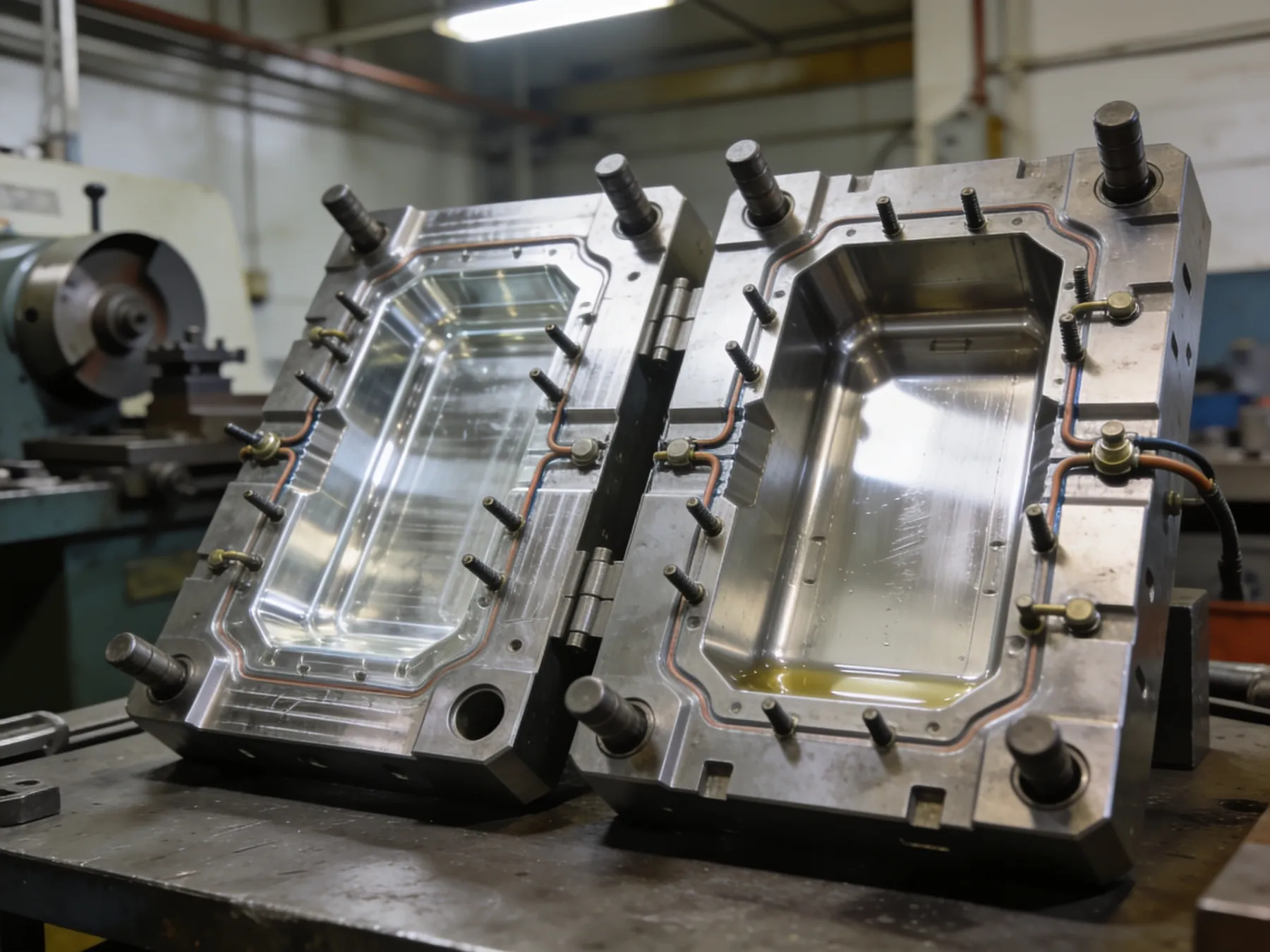
Flash, mismatch, short shot. All three show up at the parting line.
Custom injection moulding in Excelsior Springs, Missouri, since 1964. Thirteen presses from 120 to 720 tons, and the tool room that cuts the steel is in the same building.
The parting line
It is the seam where the two halves of the tool meet. Everything a moulded part gets rejected for happens there, and each of the four has a different answer.
- FLASH
- Plastic escapes the cavity at the seam under pressure and leaves a thin fin around the part. Clamp force is chosen from the arithmetic. Projected area of the part in square inches, times two to four tons per square inch depending on the resin and how far it has to flow. Thirteen presses in eight sizes means the job goes on the press the arithmetic asks for, not the press that happens to be free.
- MISMATCH
- The halves close slightly out of register and the part steps at the line, so it will not seat or seal. The tool room is fifty feet away. Leader pins, interlocks and shut-off faces get corrected the same week, not crated up and quoted by somebody else.
- SHORT SHOT
- The cavity does not fill and the part comes out incomplete, usually at the far corner from the gate. Shot capacity from 8 to 124 ounces in polystyrene, and gate, runner and vent work done on site rather than sent out.
- WITNESS LINE
- The seam is visible on the finished part. On a face the customer sees, that is a reject even when the part is dimensionally perfect. Where the line falls is decided at print review, before any steel is cut. It is the first thing we ask about, and it is the cheapest thing on the whole job to get right.
The tool room
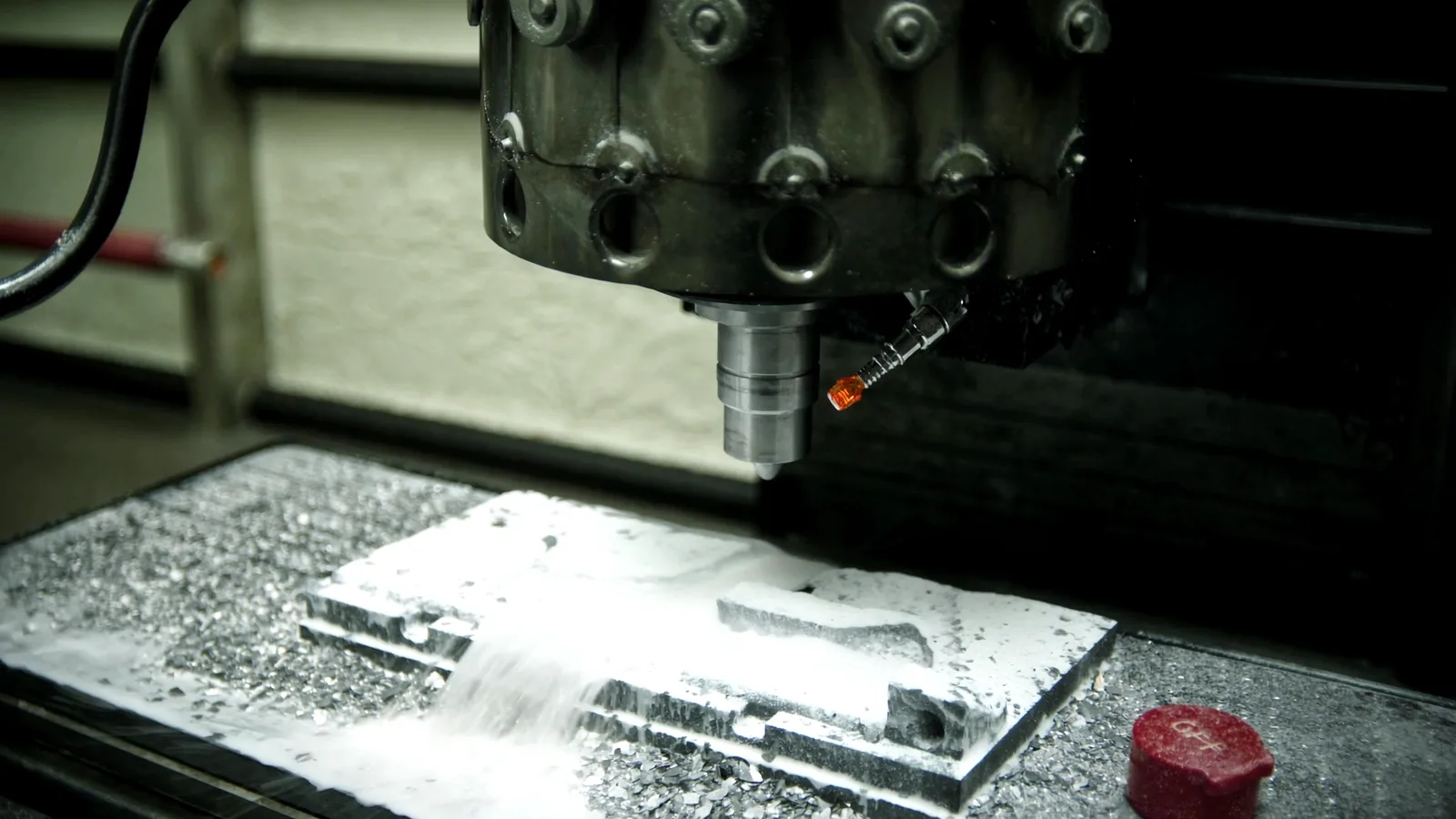
Two CNC mills and a sinker EDM, run by our own toolmakers.
New tools, engineering changes, and repairs to tools that were built somewhere else and arrived here on a pallet. Most of what comes through the door is the third kind.
When a tool is better built offshore, it goes to builders we have used for more than twenty years and the build price is passed through at cost. We make our money running the tool, not brokering it.
And the tool is yours. It leaves when you ask it to leave.
The press floor
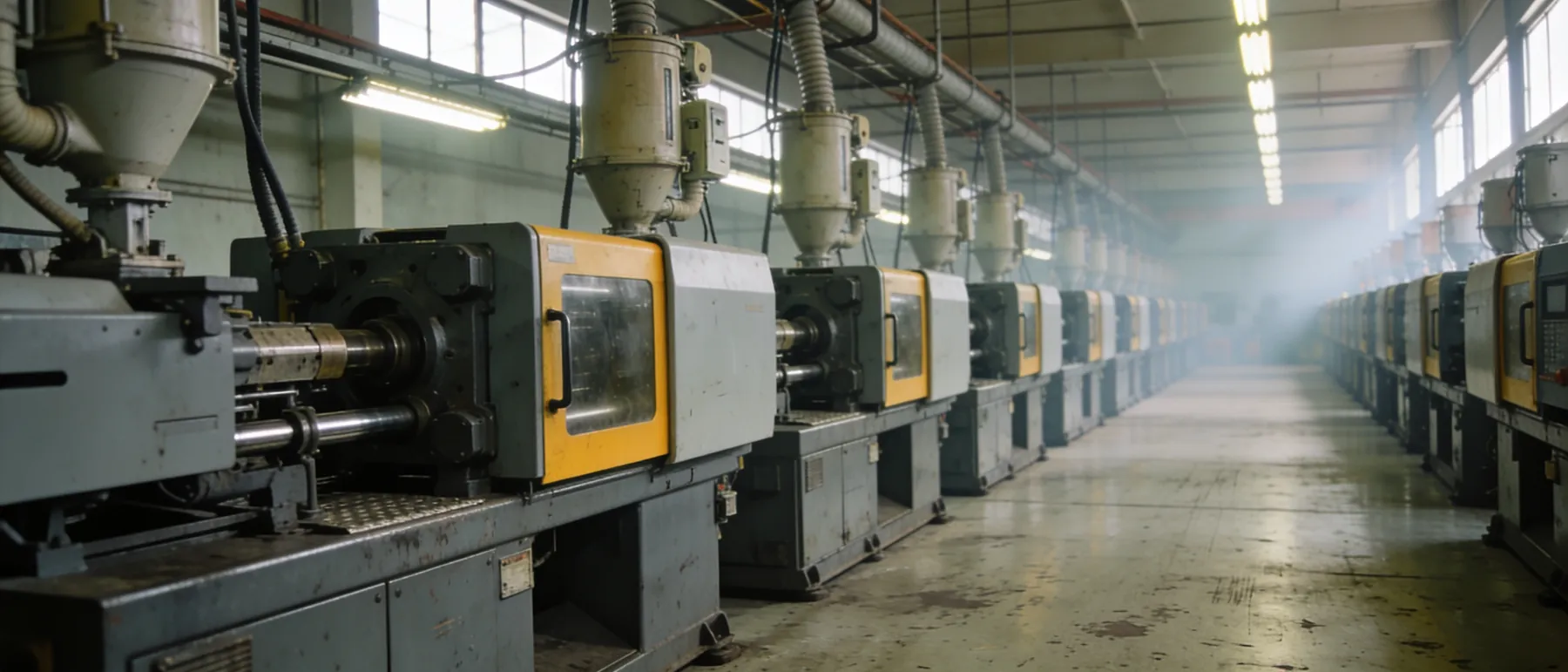
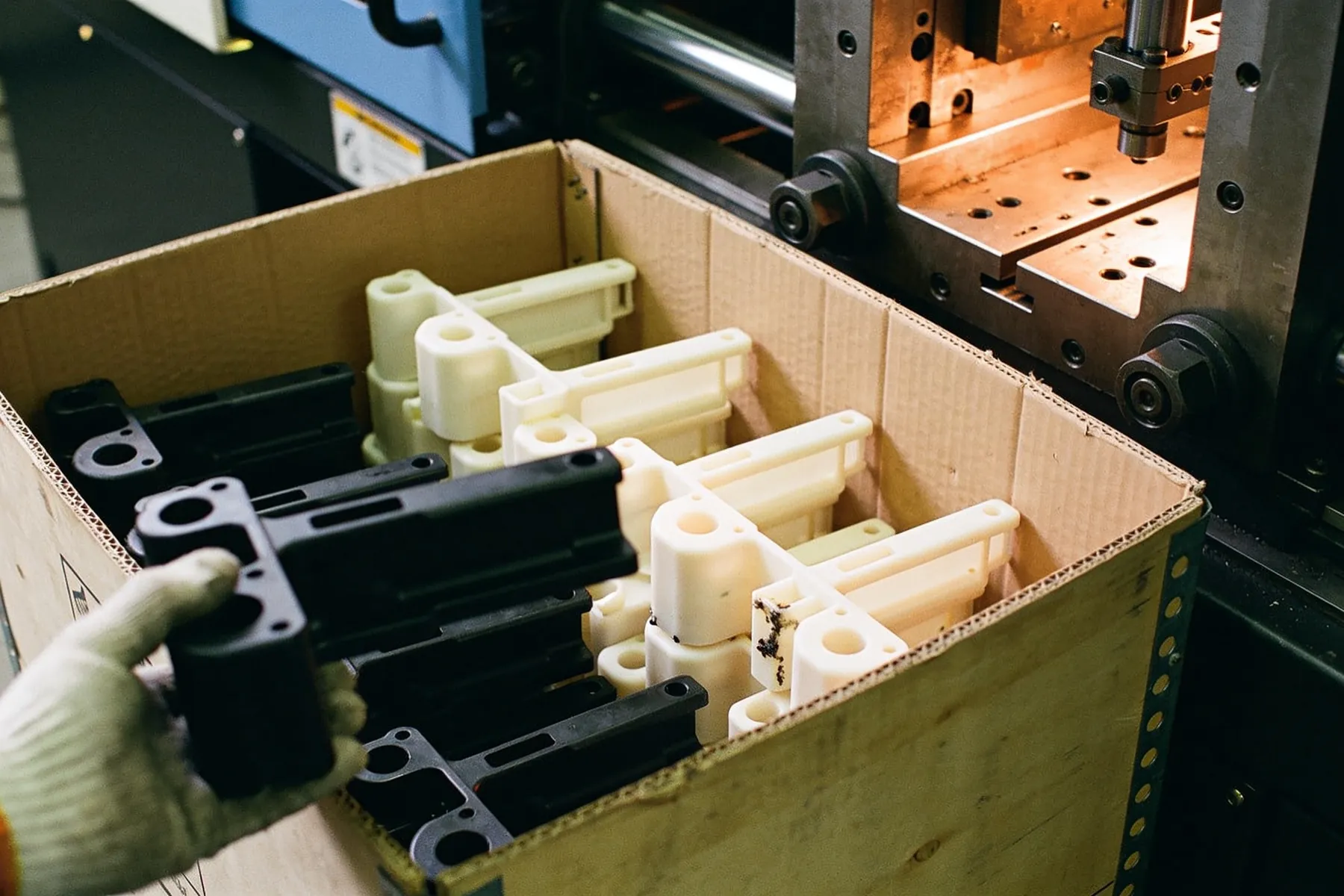
Thirteen horizontal presses, all in one building, laid out by tonnage from the dock door inward.
| PRESS | CLAMP, TONS | ON THE FLOOR | SHOT, OZ PS | MAX AREA, IN² |
|---|---|---|---|---|
| 120 ton | 120 | 2 | 8 | 40 |
| 165 ton | 165 | 2 | 12 | 55 |
| 200 ton | 200 | 2 | 18 | 66 |
| 280 ton | 280 | 2 | 27 | 93 |
| 350 ton | 350 | 1 | 38 | 116 |
| 450 ton | 450 | 2 | 56 | 150 |
| 550 ton | 550 | 1 | 82 | 183 |
| 720 ton | 720 | 1 | 124 | 240 |
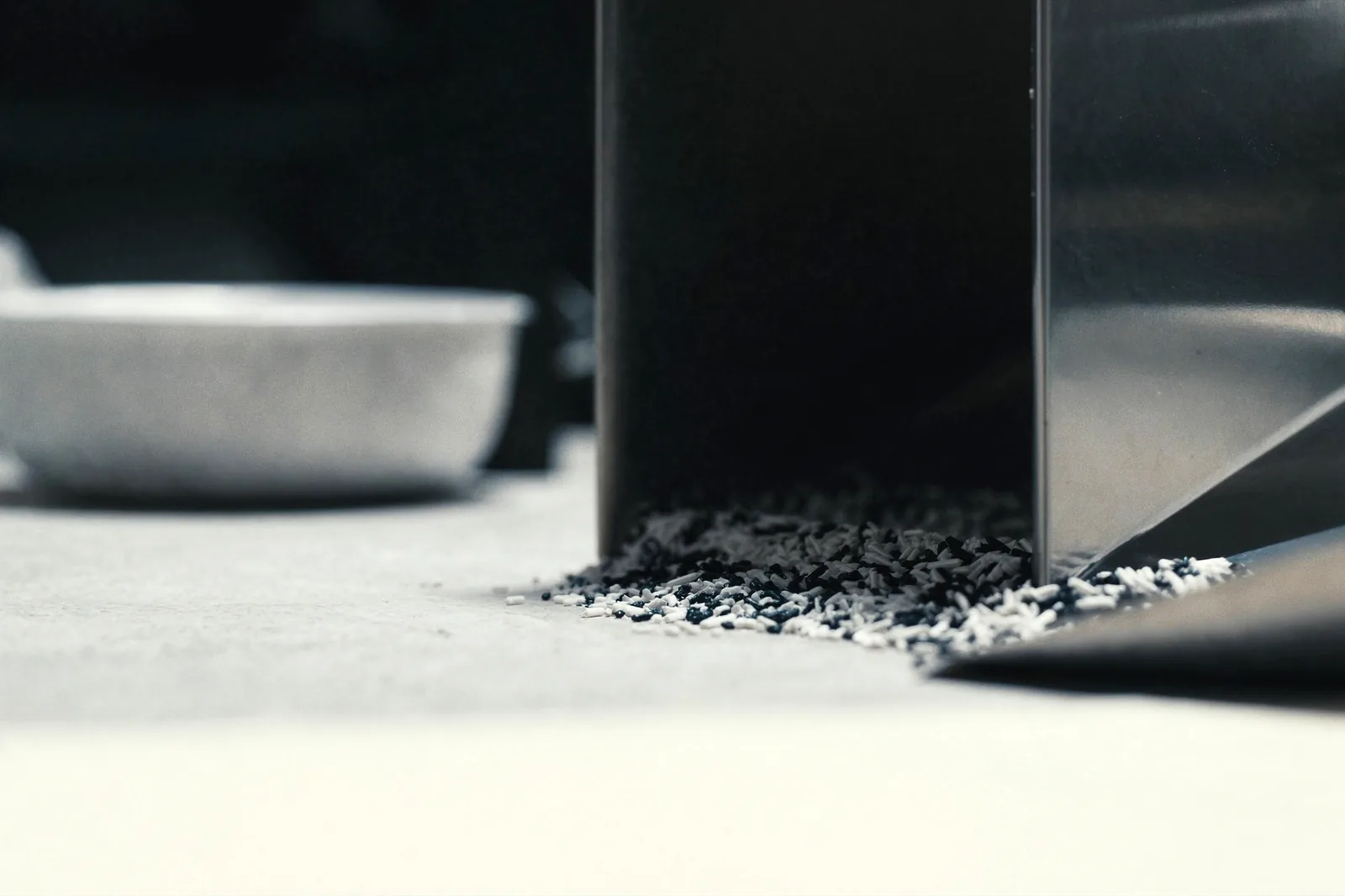
Resin is bought to the job. Regrind runs only where you have approved it in writing, at the percentage you approved.
Secondary operations
Most parts need something done to them after the tool opens, and a few need something done before it closes.
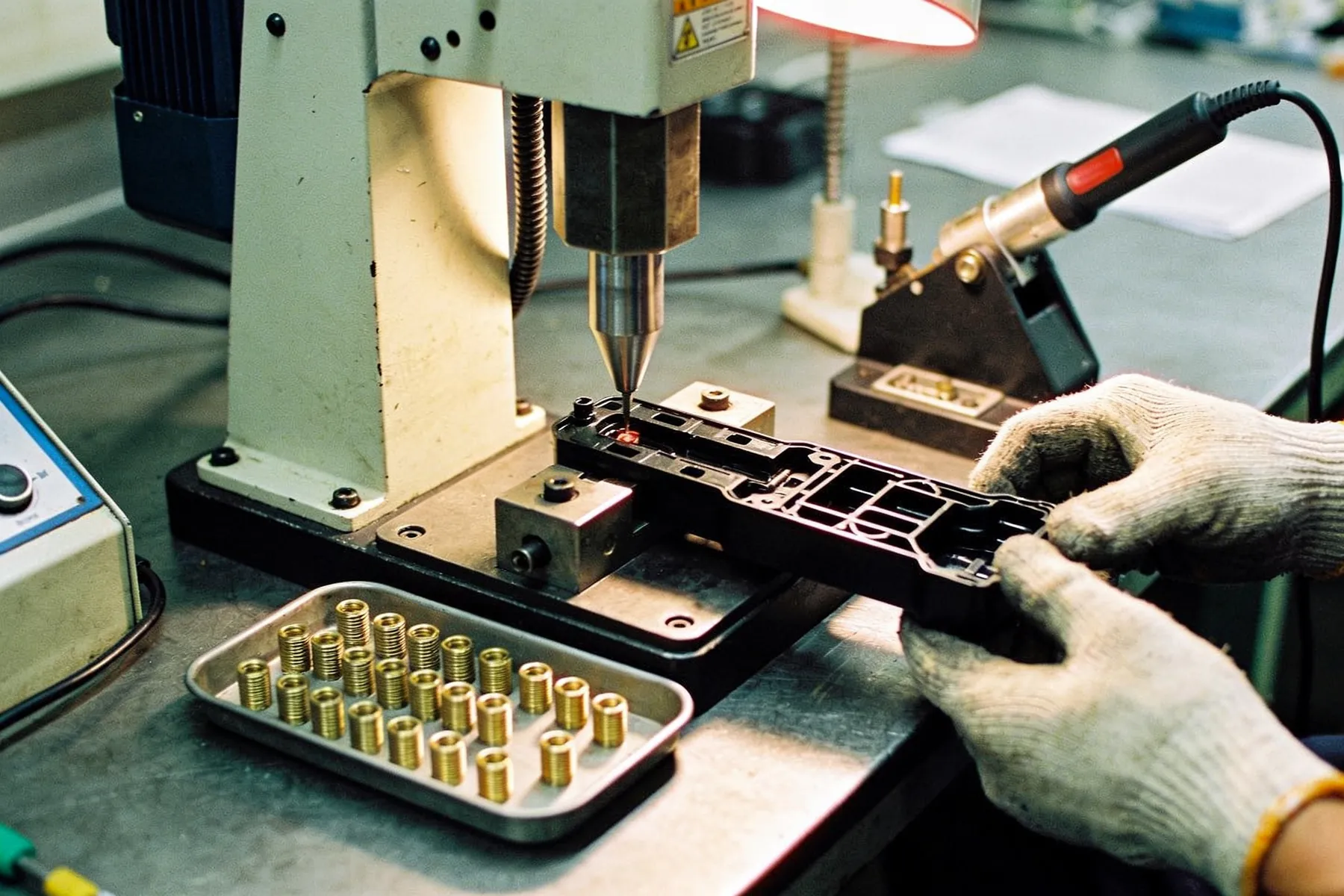
Ultrasonic welding and insertion. Two halves joined, or a brass insert driven into the boss while the plastic is soft, so the thread is steel rather than resin.
Heat staking. A moulded post melted over a second component to trap it. It is cheaper than a screw and it does not back out.
In-mould labelling. The label goes into the cavity and the shot is fired behind it, so the graphic is under the surface instead of stuck onto it. That one happens at the parting line too.
Then assembly, packing to your carton spec, and drop-ship if that is easier than sending it here first.
First article
Before a production run, you get a part off the production tool, on the production press, in the production resin.
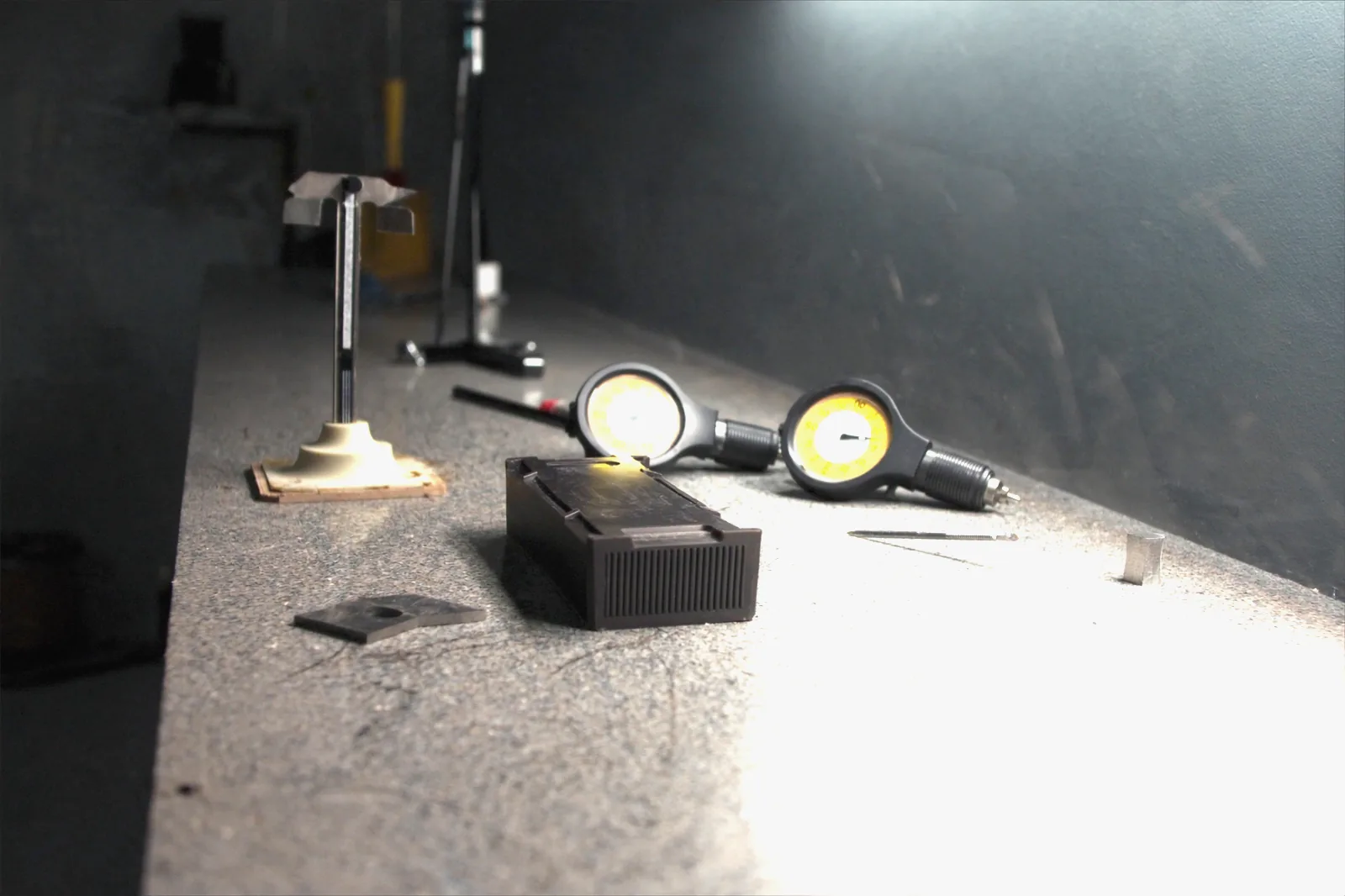
Not a prototype and not a sample from a similar machine. A dimensional report against your print comes with it, and so does a part you can lay a straight edge across and run a thumbnail along the seam.
If something on the print is going to be a problem, this is where it becomes everybody's problem instead of yours in eight weeks.
Send a print
Quotes come back inside three working days. If we cannot hold that, we call and say so on the first day rather than the third.
- 01A 3D model or a dimensioned print. A photograph of the part with a ruler beside it is enough to start a conversation.
- 02The resin, or what the part has to survive if you have not picked one yet.
- 03Annual volume, and how many you want in the first order. Those two numbers move the price more than anything else on the print.
- 04If the tool already exists: its number, who built it, and where it is sitting right now.
That is in the quote queue.
You will hear back inside three working days with a price per part at two volumes, a tool price if a tool is needed, and a date. If the file will not open on this end, we call before we do anything else.